
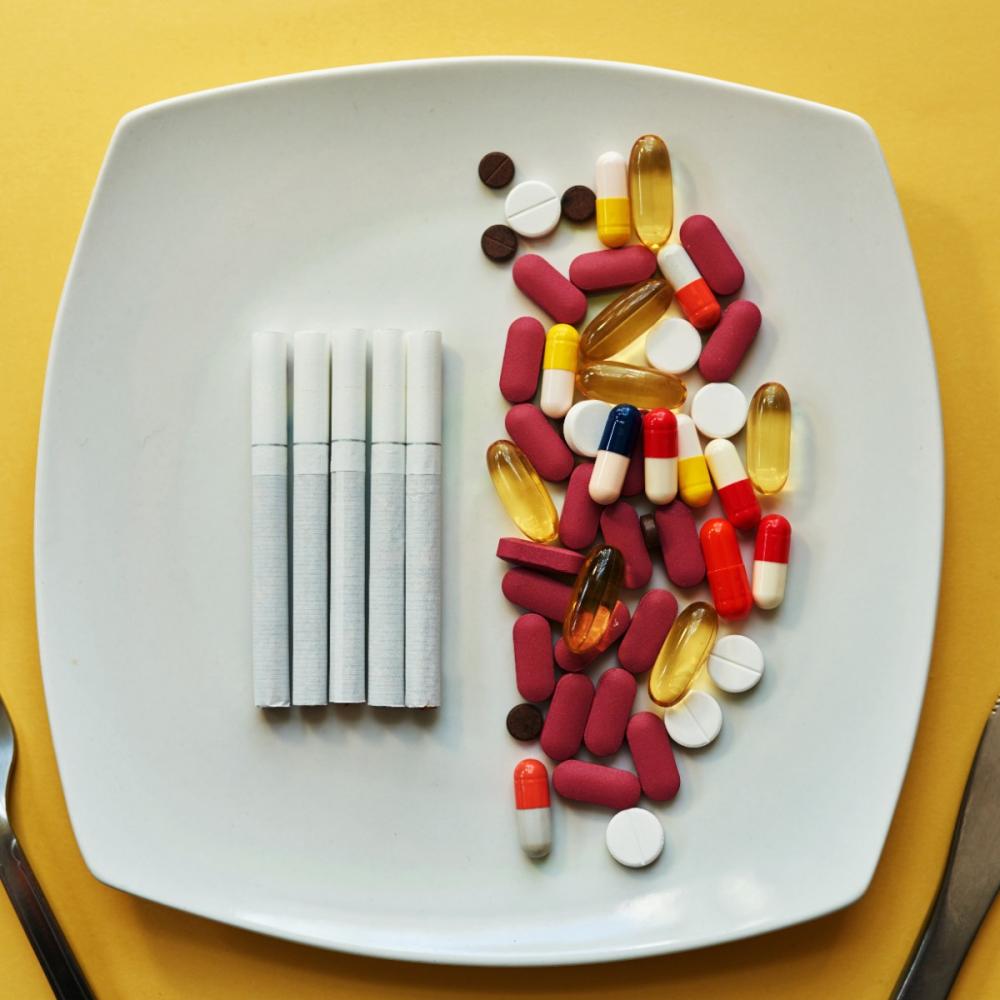
Quick answer: No vitamin cancels the effect of smoking, but smokers have specific needs. They need an extra 35 mg of vitamin C a day, and in a trial of 75 smokers sperm quality improved with vitamin C within a month, most at 1,000 mg. Smokers should avoid high doses of beta-carotene and vitamin A. What clearly changes the semen analysis is quitting.
How does smoking reach sperm?
A major route is oxidative stress: more free radicals that damage sperm membranes and DNA. In a meta-analysis of 190 studies, DNA fragmentation was about 9.2% higher in smokers. Hence the question: can antioxidants make up for some of it?
Why do smokers need more vitamin C?
The US Office of Dietary Supplements says smokers need 35 mg more vitamin C a day, because smoking increases oxidative stress and lowers blood levels of the vitamin. With a male requirement of 90 mg, a smoker needs about 125 mg. The adult upper limit is 2,000 mg a day, and high doses can upset the stomach.
What did the trial in smokers find?
In a 1992 trial, 75 heavy smokers aged 20 to 35 were split into three groups for one month: placebo, 200 mg of vitamin C a day or 1,000 mg. The placebo group did not improve; sperm quality improved in both vitamin groups, most at 1,000 mg.
It was a small, old trial that did not measure pregnancy. It points to a possible benefit but does not make the vitamin a substitute for quitting. Dosing details in vitamin C for sperm.
Which vitamins suit smokers, and which to avoid?
| Nutrient | What applies to smokers | What to do |
|---|---|---|
| Vitamin C | Extra 35 mg a day; sperm improved with it in a trial of smokers | Food first, and any supplement below the upper limit |
| Beta-carotene and vitamin A | The US office advises smokers to avoid multivitamins with large amounts, as these were linked with higher lung cancer risk in trials | Read the label of any multivitamin before buying |
| Antioxidants in general | May raise pregnancy rates with low certainty, per a Cochrane review | Supportive, not a substitute for quitting |
Source for the beta-carotene row: the multivitamin fact sheet of the Office of Dietary Supplements. To choose a suitable multivitamin, read multivitamins for men.
What changes the semen analysis more: vitamins or quitting?
Quitting. In a study of 60 men in a cessation programme, total sperm count rose from about 49 million to 70 million after three months and 84 million after six. Progressive motility rose from 20.7% to 42.3%, and semen volume from 3.3 to 4.3 mL.
No vitamin trial in smokers came close to that. Vitamins accompany quitting; they do not replace it.
Where does Cargin Twin fit?
Cargin Twin is a German-made food supplement with glutathione, vitamin C, vitamin E, zinc, CoQ10, L-carnitine, acetyl-L-carnitine and L-arginine, and it contains no beta-carotene or vitamin A. It is taken as two sachets a day, before and after a meal, and may support your intake of these antioxidants while you quit and plan a pregnancy. It does not cancel the effect of smoking; quitting is the most important step.
Frequently asked questions
How much vitamin C does a smoker need a day?
About 125 mg for a male smoker: the adult male requirement of 90 mg plus 35 mg. Fruit and vegetables cover much of this.
Should I start vitamins before or after quitting?
Do not wait for one to start the other. Quitting is the priority, vitamin C-rich food suits you now, and a supplement can follow advice from your doctor or pharmacist.
Does vitamin C help shisha smokers?
The trial was in cigarette smokers; we found no trial in shisha smokers. The extra vitamin C requirement applies to smokers in general.
When should I repeat the semen analysis after quitting?
Sperm take about three months to develop. In the study above, improvement appeared at three months and continued to six; your doctor will set your timing.
Read next
- Vitamin C for sperm: benefits and dose
- How to reduce sperm DNA fragmentation
- Multivitamins for men and fertility
- Vitamin E for male fertility
Reviewed by the HealthBridge medical team, November 2026. This article is for health education and does not replace medical advice. Food supplements are not medicines and are not intended to diagnose or treat any disease.