
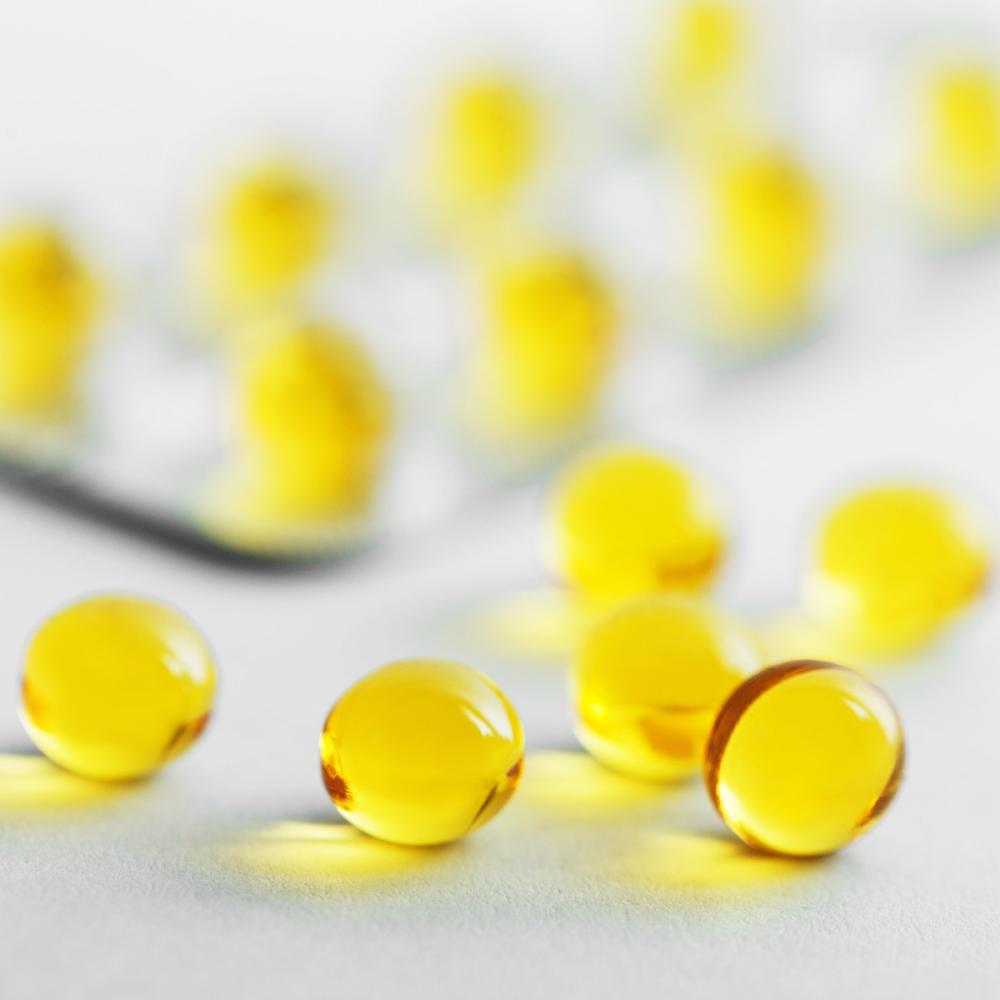
Quick answer: Vitamin E is a fat-soluble antioxidant that protects cell membranes, including the membrane of sperm. Adult men need 15 mg a day, which food such as vegetable oils and nuts can provide. Small studies link it to better semen parameters, but evidence that it raises the chance of pregnancy is weak. High doses (400 IU a day for years) were linked to a higher risk of prostate cancer, and vitamin E has no effect on a baby's sex.
What is vitamin E and what does it do in a man's body?
Vitamin E is a family of compounds, the main one being alpha-tocopherol. It dissolves in fat and sits in cell membranes, where it protects their fats from oxidation. The sperm membrane is rich in such fats, which is why vitamin E appears in most antioxidant formulas for male fertility.
What is the daily vitamin E dosage for men?
| Item | Value |
|---|---|
| Daily requirement for adults | 15 mg |
| Upper limit from supplements | 1,000 mg (about 1,500 IU natural or 1,100 IU synthetic) |
| Typical multivitamin | About 13.5 mg |
| A "400 IU" capsule | 268 mg if natural (d-alpha) or 180 mg if synthetic (dl-alpha) |
Figures come from the US National Institutes of Health vitamin E fact sheet. Note that a 400 IU capsule is many times the daily requirement.
What are the benefits of vitamin E for male fertility?
The theory is clear: protecting the sperm membrane from oxidation may preserve motility and DNA integrity. In practice:
- Small trials, some combined with vitamin C, found better motility or less DNA fragmentation. Other trials found no difference.
- The 2022 Cochrane review of antioxidants in general (90 trials) concluded they may improve the chance of pregnancy, with very low certainty.
- There is no approved "fertility dose" of vitamin E.
In other words, vitamin E is a reasonable part of a balanced formula, not a stand-alone treatment for poor semen quality.
Does vitamin E help you conceive a boy?
No. This is a common belief with no scientific basis. A baby's sex is decided by the chromosome the sperm carries at fertilisation (X or Y). No vitamin or food changes that.
What are the risks of vitamin E for men?
- Prostate: in a large trial, men who took 400 IU (180 mg) of synthetic vitamin E daily for several years had a 17% higher risk of prostate cancer.
- Bleeding: high doses were linked to a higher risk of haemorrhagic stroke.
- Interactions: blood thinners such as warfarin, some cholesterol treatment (simvastatin with niacin), and chemotherapy or radiotherapy.
That is why long-term high doses are not advised without a medical reason. Moderate amounts inside a multi-nutrient formula are different from 400, 800 or 1,000 IU capsules.
When should you take vitamin E, and which foods contain it?
Take it with a meal that contains some fat, because it needs fat to be absorbed. The richest foods are wheat germ oil, sunflower seeds, almonds and sunflower oil, followed by peanuts, hazelnuts, spinach and broccoli.
Where does Cargin Twin fit?
Cargin Twin is a German-made food supplement that provides vitamin E together with vitamin C, zinc, glutathione, coenzyme Q10, L-carnitine, acetyl-L-carnitine and L-arginine. It is taken as two sachets a day, before and after a meal. It may support your intake of these nutrients as part of a healthy lifestyle. If you use it, do not add high-dose vitamin E capsules on your own. It is a food supplement and does not replace diagnosis or treatment.
Frequently asked questions
Do I need a supplement if my diet is good?
Vitamin E deficiency is rare in healthy people. Eating nuts, vegetable oils and vegetables regularly usually covers the requirement.
How long should I use it for fertility support?
Review after three months with a repeat semen analysis. See how to take male fertility supplements.
Is vitamin E 1,000 IU better than 400 IU?
No. More does not mean more benefit. It moves closer to the upper limit and raises the chance of harm.
Can it be taken with selenium or zinc?
Yes, this is common in fertility formulas, as long as your total intake of each nutrient stays below its upper limit.
Read next
- Antioxidants for male fertility
- Glutathione for male fertility
- Zinc and male fertility
- Best male fertility supplements
- Vitamin C for sperm
- Carob for male fertility
Reviewed by the HealthBridge medical team, November 2026. This article is for health education and does not replace medical advice. Food supplements are not medicines and are not intended to diagnose or treat any disease.