If you're looking for a zinc supplement for men to support fertility or testosterone, you're on the right track. Zinc is nicknamed the "virility mineral" for good reason: it concentrates in the prostate and semen at higher levels than almost any other organ in the body, and is involved in more than 300 vital enzymatic reactions.
What does zinc have to do with sperm?
Zinc plays multiple roles in male fertility:
Testosterone production: Studies show zinc deficiency lowers testosterone levels, and correcting the deficiency raises them again.
Sperm formation: Zinc is essential for the division of the germ cells that later become mature sperm.
DNA protection: It acts as an antioxidant protecting sperm DNA from fragmentation — an important factor in successful fertilization and healthy embryos.
Motility and shape: Scientific reviews have linked zinc levels in semen to sperm count, motility, and normal morphology.
Symptoms of zinc deficiency in men
You may not feel zinc deficiency directly, but these signs are common:
General weakness and hair loss
Slow wound healing
Weakened sense of taste or smell
Reduced libido
Poor semen analysis results (low count or motility)
Men most at risk of deficiency: athletes (who lose it through sweat), vegetarians, and those with intestinal absorption issues.
Dietary sources of zinc
Before considering a zinc supplement for men, it's worth boosting natural sources:
Oysters (the richest source of all)
Red meat and liver
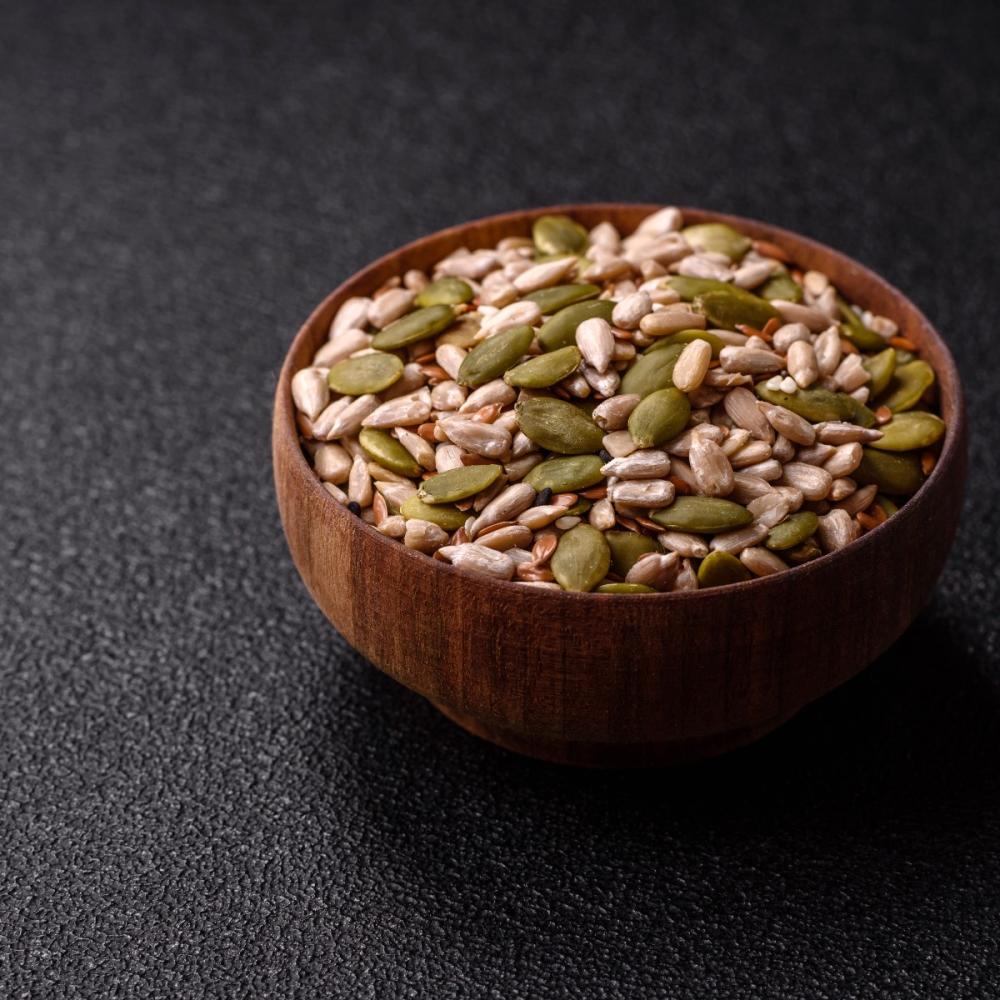
Pumpkin seeds
Lentils and chickpeas
Cashews and almonds
But even with a good diet, it can be hard to consistently reach the daily requirement, which is where supplements come in.
What's the right dose of zinc?
Daily requirement for an adult man: about 11 mg.
In fertility support studies, doses between 15–66 mg daily were used for defined periods, often with folic acid.
Don't exceed 40 mg daily long-term without medical supervision, as excess can disrupt the body's copper balance.
Tip: Choose highly absorbable forms such as zinc picolinate or zinc citrate, and take it with food to avoid stomach upset.
Zinc alone or in a complete formula?
Zinc is excellent, but male fertility is an integrated system. The best results in studies appeared when it was combined with folic acid, selenium, vitamin E, and other antioxidants. That's why the best male fertility supplements include zinc as a core ingredient within a comprehensive formula.
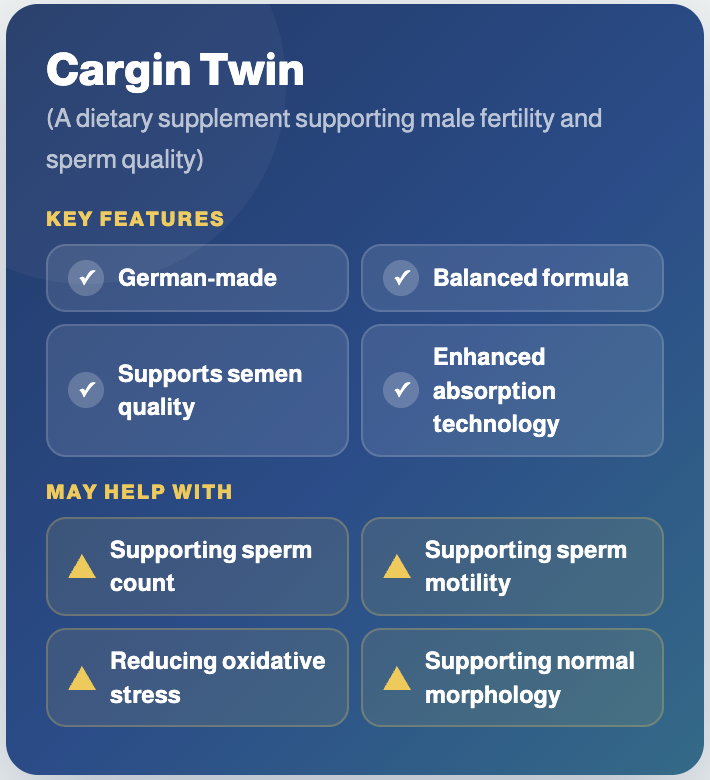
Cargin Twin is a food supplement that combines zinc with L-carnitine, L-arginine, coenzyme Q10, glutathione, vitamin C and vitamin E in one formula. It may support your intake of these nutrients as part of a fertility care plan. Food supplements are not medicines and do not replace medical assessment.
Frequently Asked Questions
How long until zinc improves fertility?
Give it at least 3 months, the time needed to produce a new generation of sperm.
Should I take zinc morning or evening?
Consistency matters most. Take it with a main meal to improve absorption and reduce nausea.
Does zinc raise testosterone in everyone?
The clearest effect is in those who are deficient; for those with normal levels the effect is smaller.
Conclusion
Zinc is a cornerstone of male reproductive health: from testosterone to sperm count and quality. If you're planning to conceive or have a weak semen analysis, correcting zinc may be your smart first step.