
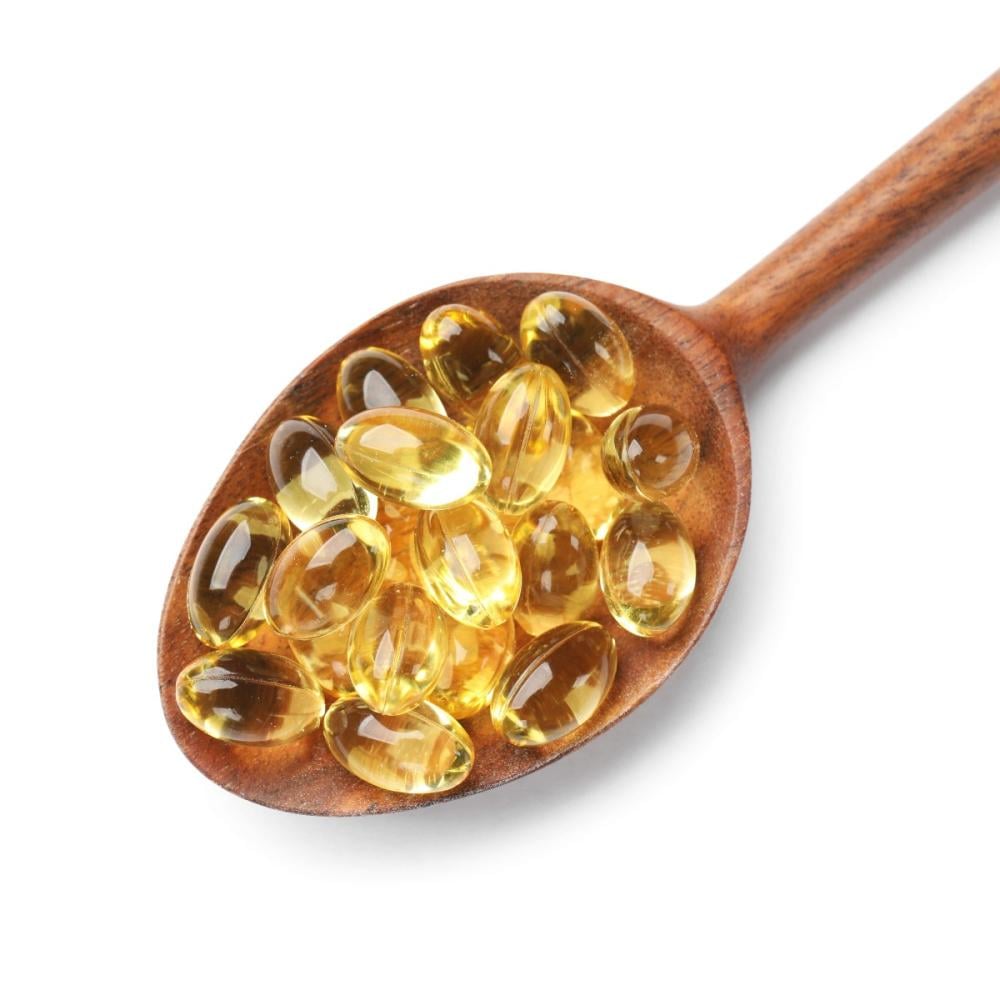
Quick answer: Sperm production needs retinoic acid, which the body makes from vitamin A. But we found no controlled trial of vitamin A supplements for fertility, and frank deficiency is rare with a varied diet. Men need 900 mcg a day, the upper limit for preformed vitamin A is 3,000 mcg, and excess is toxic. The promising research is on a prescription drug derived from it, not on supplements.
What does vitamin A do in sperm production?
The body converts vitamin A into retinoic acid, which is required for sperm production. A recent study notes that its concentration inside the testes is lower in infertile men.
So researchers asked whether raising it helps. So far the answers come from a prescription drug derived from vitamin A, not from supplements.
What did isotretinoin research find?
Isotretinoin is a medicine for severe acne and a form of retinoic acid. It has been tried in two small studies without placebo:
| Study | Who took part | Result |
|---|---|---|
| Pilot study (2017) | 19 men with concentration below 15 million/mL; 20 mg twice a day for 20 weeks | Median concentration rose from 2.5 to 3.8 million/mL; motility unchanged |
| Follow-up study (2025) | 30 men with no or almost no sperm; 3 to 9 months | Motile sperm usable for ICSI appeared in 11 men (37%) |
These are early results for a drug with clear side effects: in the second study, dry skin and lips affected every participant, irritability 47%, and blood lipids changed in 17%. It is a decision for a male fertility specialist, not a home experiment. Read latest treatments for male infertility.
Do vitamin A supplements help fertility?
We searched PubMed and found no controlled trial of vitamin A supplements alone on sperm. The US Office of Dietary Supplements notes that frank deficiency is rare in the United States, with fewer than 1% of people having low blood levels. A man with a varied diet should not expect benefit from extra.
How much vitamin A do men need, and when does it harm?
- Daily requirement for men: 900 mcg retinol activity equivalents.
- Upper limit for preformed vitamin A (retinol and its esters): 3,000 mcg a day; it does not apply to beta-carotene.
- A single very large dose can cause severe headache, blurred vision, nausea and dizziness.
- Regular high doses can cause dry skin, muscle and joint pain, fatigue and abnormal liver tests.
Smokers are a special case: in two large trials in smokers, beta-carotene supplements raised lung cancer risk by 18% and 28%, according to the same office. So smokers should avoid high doses. Read vitamins for smokers.
Food sources include liver, fish, eggs and dairy, plus orange and leafy vegetables that contain beta-carotene.
Where does Cargin Twin fit?
Cargin Twin contains no vitamin A or beta-carotene. It is a German-made food supplement with glutathione, vitamin C, vitamin E, zinc, CoQ10, L-carnitine, acetyl-L-carnitine and L-arginine, taken as two sachets a day, before and after a meal, and may support your intake of these nutrients alongside a healthy lifestyle while planning a pregnancy. It is not a medicine and does not replace testing.
Frequently asked questions
Is liver a good vitamin A source when trying to conceive?
It is one of the richest sources of preformed vitamin A, so do not combine large amounts with vitamin A supplements, to stay under the upper limit.
Do acne pills harm male fertility?
The two isotretinoin studies above did not point to harm to sperm production, but they were small. A man taking it while planning a pregnancy should ask his doctor.
Does lycopene turn into vitamin A?
No. Lycopene, which makes tomatoes red, is an antioxidant that does not convert into vitamin A. Details in lycopene for male fertility.
Do I need vitamin A on top of a multivitamin?
Usually not. Many multivitamins already contain some, so add up all your labels. Comparison in multivitamins for men and fertility.
Read next
- Vitamins for smokers: can they protect sperm?
- Multivitamins for men and fertility
- Lycopene for male fertility
- Latest treatments for male infertility
Reviewed by the HealthBridge medical team, November 2026. This article is for health education and does not replace medical advice. Food supplements are not medicines and are not intended to diagnose or treat any disease.