
Quick answer: No single food raises sperm count, but the overall eating pattern makes a difference. In a study of 2,935 young men, total count was about 43 million higher in those who most closely followed a healthy pattern, and about 26 million lower in those who most closely followed a Western pattern. Applying this in a Gulf kitchen is simple: more fish, less processed meat and fewer sugary drinks.
What did studies find about diet and sperm count?
In a Danish study of 2,935 young men with a median age of 19, total sperm count was about 43 million higher in men who followed a healthy pattern most closely than in those who followed it least, and about 26 million lower in men who followed a Western pattern most closely. A systematic review of 35 observational studies summed up the picture: fish and seafood, poultry, cereals, vegetables, fruit and low-fat dairy were linked with better semen quality, while processed meat, potatoes, full-fat dairy, sugar-sweetened drinks and sweets were linked with poorer quality in some studies.
Practical Gulf-kitchen swaps
| Instead of | Try | Why |
|---|---|---|
| Mortadella, sausages and canned meats | Tuna, eggs or grilled chicken | Processed meat was linked with poorer quality |
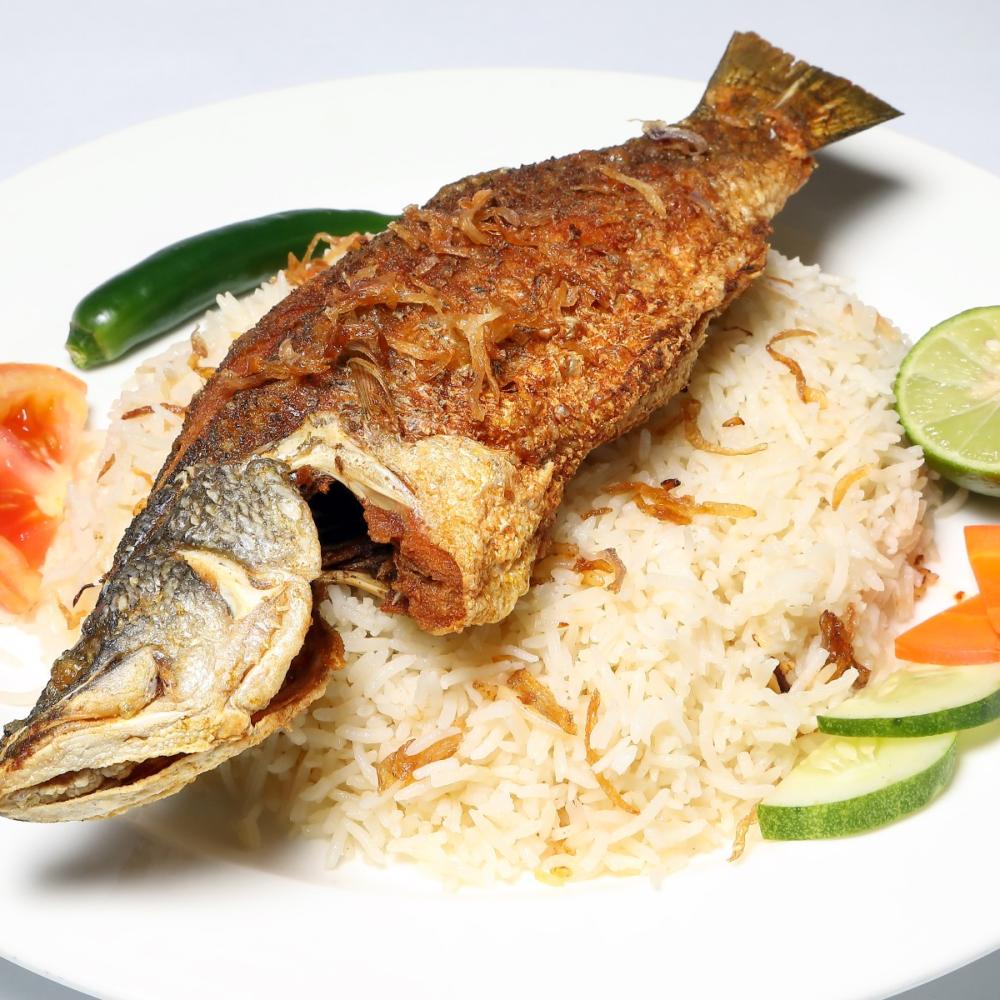
| Fried fish | Grilled or baked hamour, kingfish or sardines | Fish was linked with higher count and more normal forms |
| Soft drinks and energy drinks | Water or low-fat laban | Frequent sugary drinks were linked with about 22% lower concentration |
| Sweets between meals | A handful of unsalted nuts or fruit | Nuts improved count in a randomised trial |
| A large plate of rice with no vegetables | A moderate portion of rice with salad, cooked vegetables and legumes | Vegetables and legumes belong to the pattern linked with better quality |
| Lots of full-fat dairy and cheese | Low-fat dairy | Low-fat dairy was linked with better quality in observational studies |
What numbers are behind these swaps?
In a study of 155 men, fish was linked with a higher count and more normal forms, and processed meat with fewer normal forms. In a study of 690 men, concentration was about 22% lower in those drinking sugar-sweetened beverages 7 or more times a week. In a randomised trial of 119 men, count improved with 60 g a day of mixed nuts for 14 weeks. Details in nuts for sperm health.
Is changing your diet enough?
Food is part of the picture. Weight matters too: in a trial of 56 men with obesity, total count rose about 1.4-fold after losing about 16.5 kg on an 8-week low-calorie diet. If the count is very low, diet does not replace a medical work-up. Read the fastest way to increase sperm count.
Where does Cargin Twin fit?
Food comes first. Cargin Twin is a German-made food supplement with glutathione, vitamin C, vitamin E, zinc, coenzyme Q10, L-carnitine, acetyl-L-carnitine and L-arginine, taken as two sachets a day, before and after a meal. Its ingredients include zinc and coenzyme Q10, which raised concentration in a pooled analysis of supplement trials. It may support your intake of these nutrients alongside a healthy diet. It is not a medicine and does not replace diagnosis or treatment.
Frequently asked questions
Is kabsa bad for sperm?
There is no evidence against any single dish. What matters is what goes in it: the amount of rice and fat, the type of meat, and whether vegetables come with it.
Does soy lower sperm count?
The review above listed soy among foods linked with poorer quality in some studies; the evidence is not conclusive, so there is no need to eat a lot of it.
Does one fast-food meal a week do harm?
Studies measure overall patterns over months, not single meals. What matters is what dominates your diet.
Is diet enough if the count is very low?
No. A very low count needs tests and treatment of the cause. Read low sperm count with poor motility.
Read next
- Foods for sperm motility
- Foods for better sperm morphology
- Nuts for sperm health
- The fastest way to increase sperm count
Reviewed by the HealthBridge medical team, November 2026. This article is for health education and does not replace medical advice. Food supplements are not medicines and are not intended to diagnose or treat any disease.