
Quick answer: A low count with poor motility means a concentration below 16 million/mL and progressive motility below 30%. The first step is a work-up for a treatable cause such as a varicocele or hormone problem, while avoiding testosterone because it suppresses sperm production. Stimulating medicines such as clomiphene have weak evidence, and supplements have a modest effect. If semen does not improve or time is short, IUI or ICSI is chosen according to the motile sperm count.
What does a low count with poor motility mean?
The lower limits in the 2021 World Health Organization values are 16 million/mL for concentration and 30% for progressive motility. When both are low, fewer sperm can reach the egg for two reasons at once. That is why doctors look at the total motile sperm count, which is volume multiplied by concentration and the motility percentage, because it helps choose between IUI and ICSI.
Which tests come before treatment?
- A repeat analysis, because one result is not enough.
- A physical examination for varicocele and testicular size.
- Hormone tests, such as FSH and testosterone.
- Genetic tests when the count is very low, at the doctor's judgement.
- Evaluation of the female partner at the same time, as the US guidelines recommend.
What are the options and their evidence?
| Option | For whom | What evidence and guidelines say |
|---|---|---|
| Varicocele treatment | Palpable varicocele with abnormal semen and infertility | Recommended by European and US guidelines |
| Clomiphene and similar medicines | By a doctor's decision, especially with low testosterone | Improved concentration versus antioxidants, not versus placebo; low-quality evidence |
| FSH hormone | Unexplained low count with normal FSH | May be considered under guidelines, as a conditional recommendation |
| Antioxidant supplements | Support alongside treatment | Of questionable clinical utility per US guidelines |
| Testosterone | Not for men who want children | Suppresses sperm production |
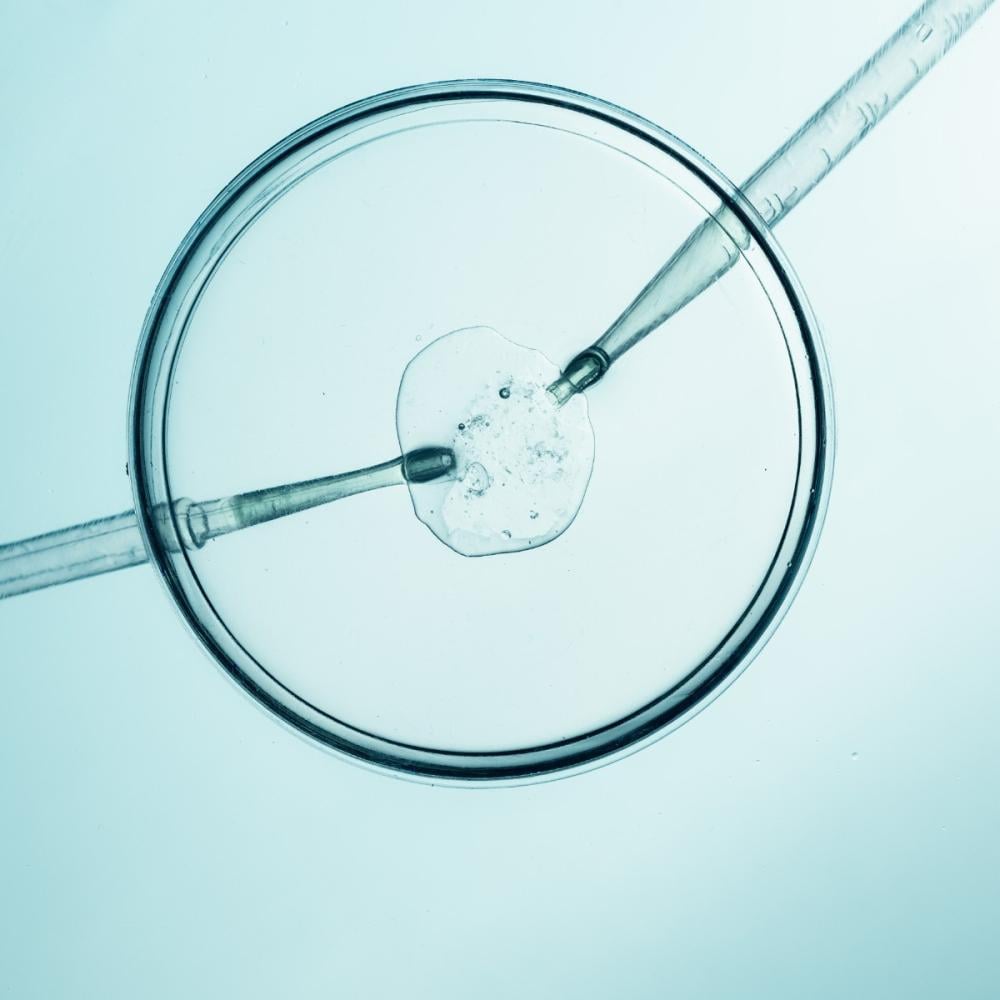
| IUI or ICSI | When treating the cause is not enough or time is short | ICSI is the most common and successful treatment for male infertility, per the UK fertility regulator |
What do studies say about medicines?
In a network analysis of 14 trials with 1,342 men, clomiphene improved concentration compared with antioxidants and similar medicines, but not compared with placebo; all treatments had similar effects on motility, and trial quality was low. The European guidelines advise against routine use of these medicines and antioxidants in unexplained cases, while the US guidelines allow them with low testosterone and note their limited benefit compared with assisted reproduction in unexplained infertility.
Why is testosterone avoided?
External testosterone switches off the brain's signals to the testicles, so sperm production falls. US guidelines therefore say it should not be prescribed alone to men who want children now or later, and the American Society for Reproductive Medicine explains that it causes infertility by suppressing sperm production, which returns in most men after stopping. Other hormone medicines prescribed by a specialist for specific causes are a different matter.
Do supplements help?
Modestly. In the 2018 analysis of supplement trials, concentration rose with selenium, zinc, omega-3 and coenzyme Q10, and total motility rose with these and with carnitines. In a 2026 network analysis, zinc, L-carnitine and acetyl-L-carnitine ranked near the top for total count. But US guidelines describe supplements as of questionable clinical utility, and a Cochrane review rates the live-birth evidence as very low certainty. Details in supplements to increase sperm count.
When is ICSI used?
The UK Human Fertilisation and Embryology Authority says ICSI may be recommended for a very low count, poor motility or abnormal shape, or when eggs did not fertilise in a previous IVF cycle. The female partner's age also matters: the American Society for Reproductive Medicine advises evaluation after 6 months of trying if she is 35 or older, and after a year if younger.
Where does Cargin Twin fit?
Cargin Twin contains glutathione, vitamin C, vitamin E, zinc, coenzyme Q10, L-carnitine, acetyl-L-carnitine and L-arginine. It includes zinc, coenzyme Q10, L-carnitine and acetyl-L-carnitine, nutrients linked with count or motility in the analyses above; it contains no selenium or omega-3. It is taken as two sachets a day, before and after a meal, and may support your intake of these nutrients alongside the treatment your doctor sets. It is not a medicine and does not replace diagnosis or treatment.
Frequently asked questions
Can we wait and try naturally?
It depends on how low the results are and the female partner's age. With a known semen problem, a plan with your doctor is better than open-ended waiting.
Do hormone injections raise sperm count?
Testosterone injections suppress production rather than raise it. Hormones such as FSH are prescribed by a specialist for specific cases after testing.
How long does improvement take?
Results are checked at least three months after any treatment, the time a new batch of sperm takes to form.
Does ICSI guarantee pregnancy?
No. It is the most common and successful treatment for male infertility according to the UK regulator, but results depend on many factors, above all the female partner's age.
Read next
- Supplements to increase sperm count
- Low sperm motility treatment
- My husband has weak sperm
- Poor motility and abnormal morphology together
Reviewed by the HealthBridge medical team, November 2026. This article is for health education and does not replace medical advice. Food supplements are not medicines and are not intended to diagnose or treat any disease.