
Quick answer: Saffron is one of the remedies most often suggested to men in our region, but its fertility evidence is contradictory. A small study with no comparison group found better sperm motility and shape with no rise in count, while a larger placebo-controlled trial in 260 men found no benefit at all. Its evidence is clearer for erectile dysfunction. Food amounts are safe, and high doses call for caution.
Why is saffron linked to men's health?
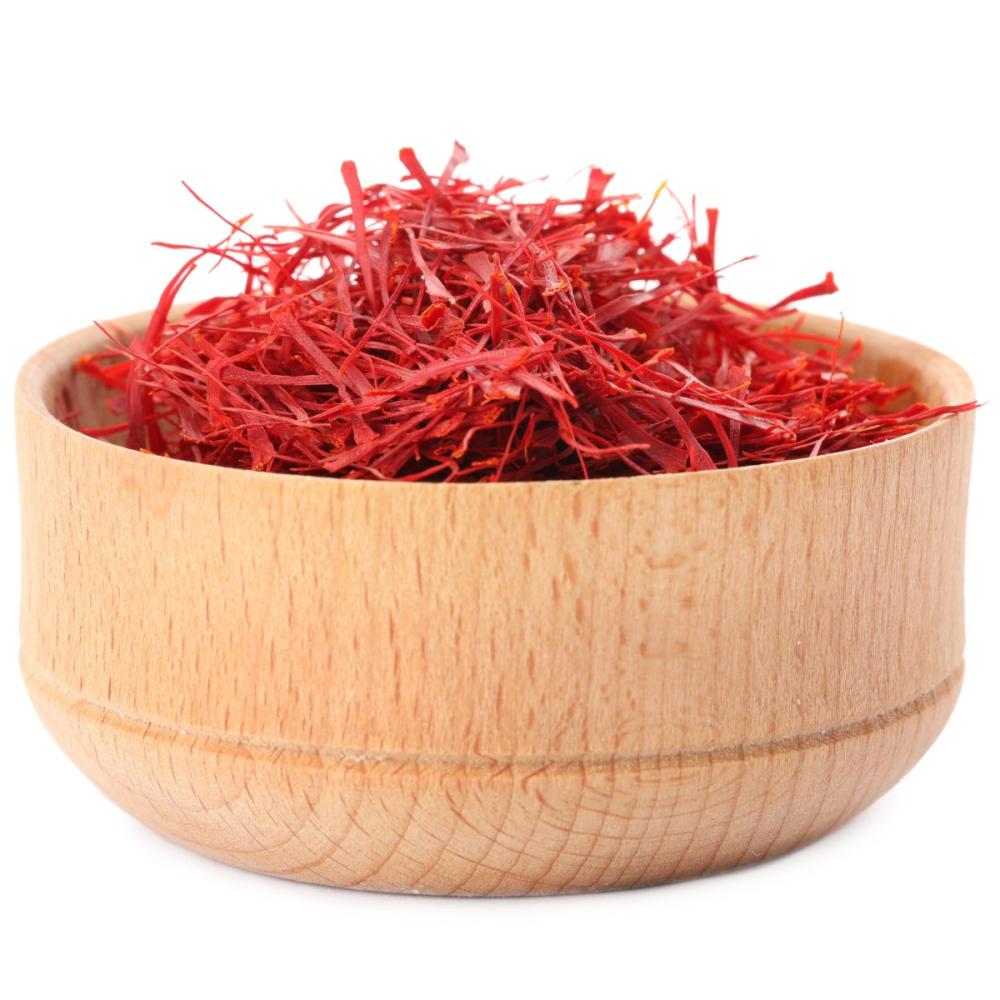
Saffron is the dried stigmas of the Crocus sativus flower, used since ancient times as a spice and a folk remedy. It contains antioxidant compounds, the best known being crocin, which led researchers to suggest it might protect sperm from oxidative stress. One of the trials notes in its introduction that saffron is among the "herbal remedies" recommended for male infertility in the local community.
What have studies found about saffron and sperm?
| Study | What was given | Result |
|---|---|---|
| 2008 study in 52 non-smoking men | 50 mg of saffron dissolved in milk three times a week for three months, with no comparison group | Normal shapes rose from 26.5% to 33.9% and fast motility from 5% to 12%; count did not change |
| 2011 trial in 260 men, double-blind | 60 mg a day or placebo for 26 weeks | No improvement in count, motility or shape compared with placebo |
A 2018 systematic review pooled six trials and concluded that saffron's results on semen measures are contradictory and that the studies have methodological flaws.
Why did the two results differ?
- The positive study had no comparison group. Semen analysis varies naturally from one sample to the next, and without a comparison group the source of the improvement is unknown.
- The negative trial was five times larger, longer and placebo-controlled. It carries more scientific weight.
The practical conclusion: saffron should not be relied on to treat poor sperm quality.
What about erections and libido?
Here the picture is better. The same systematic review pooled three trials and found a positive effect of saffron on every dimension of the erectile function questionnaire, including desire and satisfaction. The authors still warned about the flaws of the studies and the wide differences between them. Saffron may help sexual function, which is not the same as improving fertility.
What dose was studied, and is saffron safe?
- Doses studied for fertility: from 50 mg three times a week to 60 mg a day, less than a tenth of a gram.
- Safety study: a trial in healthy volunteers gave 200 and 400 mg a day for one week. No clinically important changes appeared, but the 400 mg dose lowered standing systolic blood pressure.
- Caution: anyone on blood pressure medicines should ask a doctor before taking treatment doses. Using it as a spice in food is not a concern.
Where does Cargin Twin fit?
Cargin Twin is a German-made food supplement that contains no saffron and no herbs. Its formula has defined amounts of glutathione, vitamin C, vitamin E, zinc, coenzyme Q10, L-carnitine, acetyl-L-carnitine and L-arginine. It is taken as two sachets a day, before and after a meal. It may support your intake of these nutrients as part of a healthy lifestyle. It is not a medicine and does not replace diagnosis or treatment.
Frequently asked questions
Does saffron increase sperm count?
No. The count did not rise in either study.
Is saffron with milk good for fertility?
That was the method of the small study that showed better motility and shape, but the larger controlled trial did not confirm the result.
How much saffron should I take each day?
Studies used very small amounts, 50 to 60 mg. There is no need for larger doses, as nothing shows they help.
Is saffron suitable for men with high blood pressure?
In food amounts, yes. High-dose capsules may lower blood pressure, so ask your doctor.
Read next
- Supplements for sperm morphology
- Carob for male fertility
- Tongkat ali for male fertility
- Supplements for sperm motility
- Turmeric and curcumin for male fertility
Reviewed by the HealthBridge medical team, November 2026. This article is for health education and does not replace medical advice. Food supplements are not medicines and are not intended to diagnose or treat any disease.