
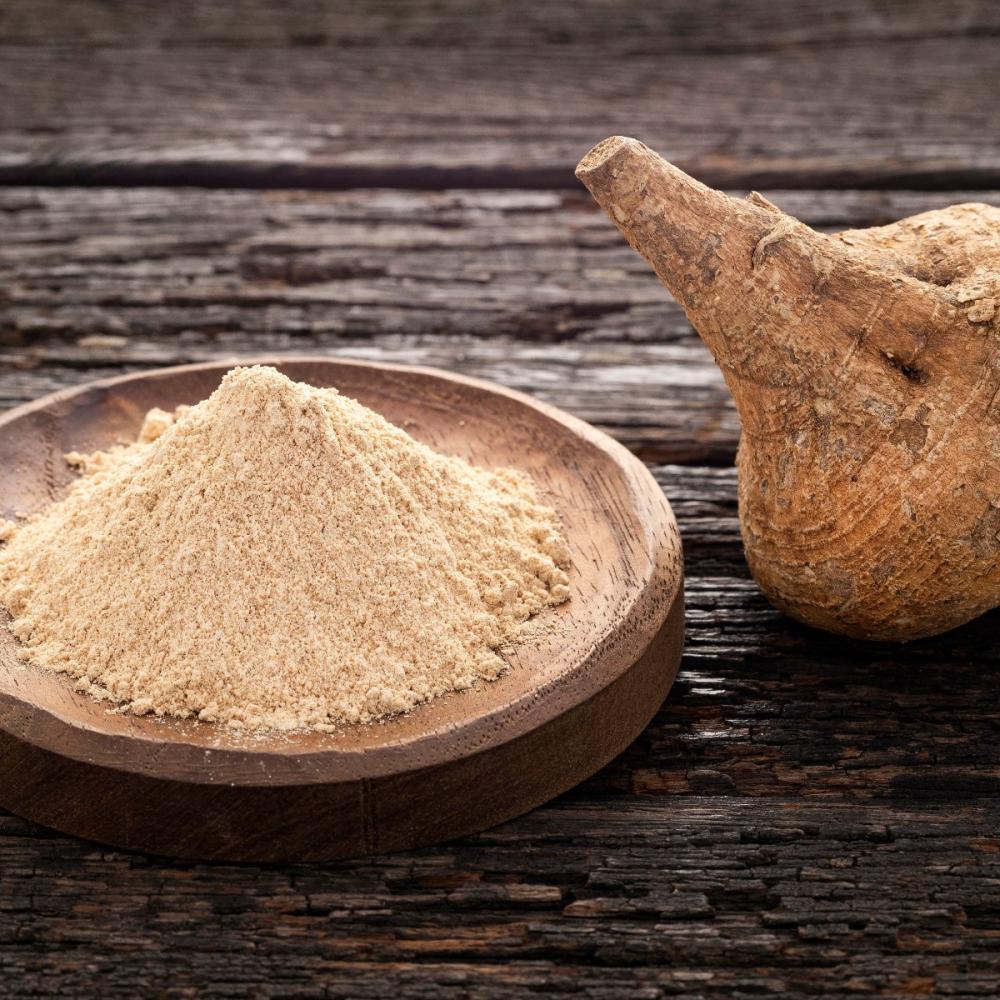
Quick answer: Maca is a root from the Peruvian highlands. In a randomised trial of 69 men with mildly low count or motility, sperm concentration rose with 2 g a day for 12 weeks, with no difference in motility, morphology or volume. But a 2022 pooled analysis of five trials found no clear difference in concentration compared with placebo. The evidence is limited and mixed, and the trials were small and short.
What is maca?
Maca is a plant of the brassica family, the family of mustard and cabbage, grown above 4,000 m in Peru. The root is used as a powder or extract, and products are usually marketed for libido, energy and fertility.
Does maca increase sperm count?
In a double-blind randomised trial published in 2020, 69 men with mildly low motility or count took 2 g of maca or placebo for 12 weeks. Concentration reached about 15 million/mL with maca vs about 10 million/mL with placebo; volume, motility and normal forms did not differ.
In a smaller trial of 20 healthy men taking 1.75 g a day for 12 weeks, concentration and motility trended upwards with no change in hormones. Reviews are cautious: a 2016 systematic review called the evidence suggestive but insufficient, and a 2022 pooled analysis of five randomised trials found no clear difference in concentration vs placebo.
The trials in a table
| Study | Participants | Dose and length | Result |
|---|---|---|---|
| Randomised trial, 2020 | 69 men with mild problems | 2 g/day, 12 weeks | Higher concentration (15 vs 10 million/mL); motility, morphology and volume unchanged |
| Randomised trial, 2015 | 20 healthy men | 1.75 g/day, 12 weeks | Upward trend in concentration and motility; hormones unchanged |
| Systematic review, 2016 | 5 studies | Varied | Suggestive but small and at risk of bias |
| Pooled analysis, 2022 | 5 randomised trials | Varied | No clear difference in concentration vs placebo |
Does maca raise testosterone?
Hormones did not change in the trial of healthy men after 12 weeks. If maca affects sperm, it does not seem to work by raising testosterone.
Maca for desire or for fertility?
These are different questions. A systematic review of four trials found limited evidence for better sexual function: some trials showed a benefit and others did not. Better desire does not mean a better semen analysis, and vice versa. Other herbs men ask about for the same purpose include tongkat ali and shilajit.
Is maca safe?
Published trials lasted no more than 12 weeks, so little is known about longer use. Types and preparations of maca differed between trials, so the product you buy may not resemble what was studied. Choose a registered product and avoid combining several herbal products without advice.
How to try it sensibly
- Have a semen analysis before you start, and see a doctor to find the cause.
- Trials used 1.75 to 2 g a day for 12 weeks; this is what was tested, not an approved dose.
- Repeat the analysis after about three months, the time sperm take to form.
Where does Cargin Twin fit?
Cargin Twin contains no maca. It is a German-made food supplement with glutathione, vitamin C, vitamin E, zinc, coenzyme Q10, L-carnitine, acetyl-L-carnitine and L-arginine, taken as two sachets a day, before and after a meal. It may support your intake of these nutrients as part of a healthy lifestyle. It is not a medicine and does not replace diagnosis or treatment.
Frequently asked questions
What dose of maca do men take?
There is no approved dose for fertility. Trials used 1.75 to 2 g a day, so follow the label of a registered product.
Does maca increase semen volume?
Volume did not differ from placebo in the 2020 trial. For what does change volume, read how to increase semen volume.
When does maca start to work?
Trials measured results after 12 weeks, and any change in a semen analysis takes about three months.
Can maca be combined with fertility supplements?
There are no studies of such combinations. Show the products to a pharmacist, and read are male fertility supplements safe?
Read next
Reviewed by the HealthBridge medical team, November 2026. This article is for health education and does not replace medical advice. Food supplements are not medicines and are not intended to diagnose or treat any disease.