
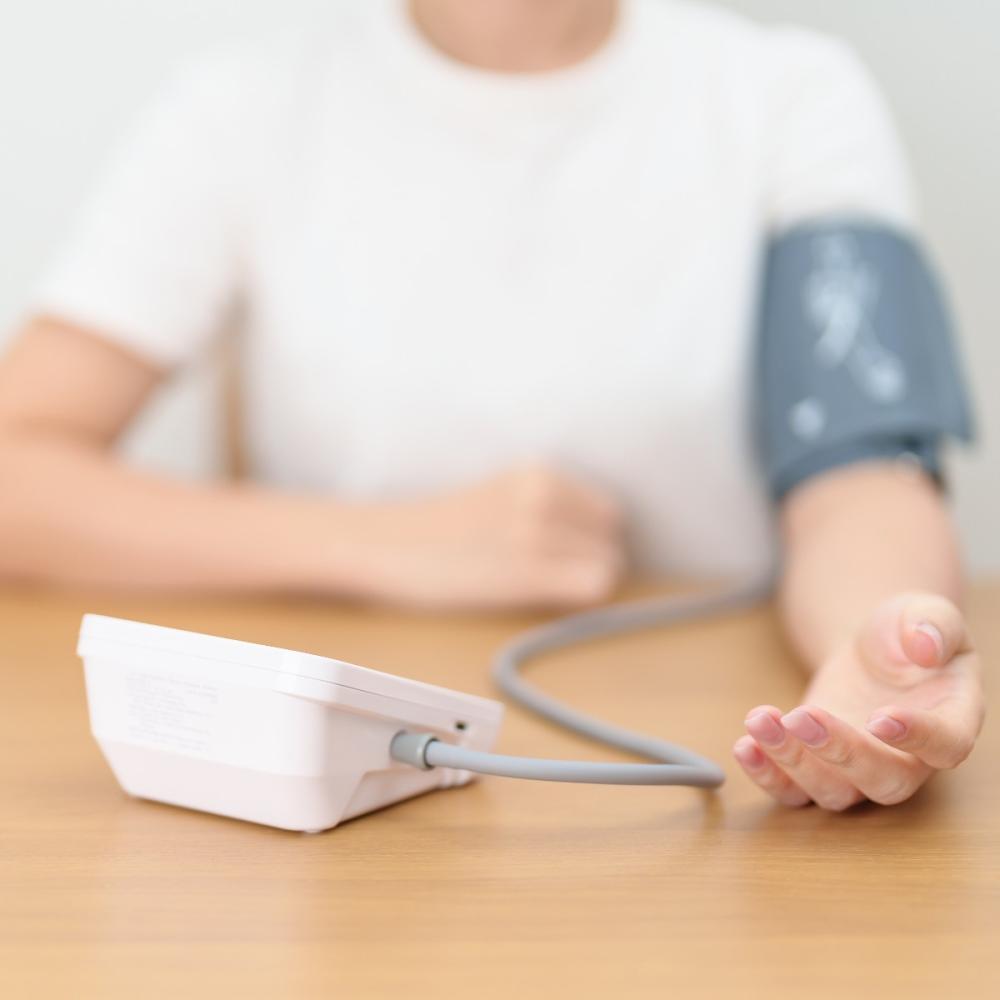
Quick answer: High blood pressure is linked to hearing loss, but the effect is modest. A study of about 55,000 women found that a history of hypertension raised the risk by around 4%, and found no clear link between common diuretics and hearing loss. Smoking has a clearer effect: smokers had about 15% higher odds of hearing loss, and non-smokers exposed to passive smoke about 28% higher. The inner ear depends on very fine blood vessels, so what protects the arteries protects hearing. Never stop blood pressure medicine on your own.
Why does blood vessel health affect the ear?
The cochlea in the inner ear is fed by very small arteries, and its hearing cells use a lot of energy and do not grow back. That is why the US National Institute on Deafness lists high blood pressure and diabetes among the conditions associated with age-related hearing loss.
Can high blood pressure cause hearing loss?
In a study published in 2016, researchers followed 54,721 women from 1994 to 2012. Those with a history of hypertension had about 4% higher risk of hearing loss. The increase is small, but it adds to other factors such as age, noise and diabetes.
Does blood pressure medication affect hearing?
In the same study, using thiazide diuretics or furosemide was not significantly associated with hearing loss among women with hypertension. Some other medicines are known to affect the ear at high doses, and the World Health Organization lists ototoxic medicines among the avoidable causes of hearing loss.
The practical rule: do not stop or change your blood pressure medicine out of concern for your hearing. If you notice hearing loss or tinnitus after starting a new medicine, tell your doctor. Uncontrolled blood pressure is a bigger threat to the heart, the brain and the ear than the medicine.
Does smoking affect hearing?
Yes. A UK study of 164,770 adults aged 40 to 69 found:
| Group | Odds of hearing loss |
|---|---|
| Current smokers | About 15% higher |
| Non-smokers exposed to passive smoke | About 28% higher |
This was an observational study that shows a link, but the result is consistent with nicotine's known effect of narrowing blood vessels. In principle the same applies to shisha and nicotine vapes.
How can you protect your hearing?
- Check your blood pressure regularly and keep to your treatment.
- Stop smoking and avoid second-hand smoke.
- Eat less salt and more vegetables and legumes. See the best foods for hearing health.
- Control blood sugar if you have diabetes: diabetes and hearing loss.
- Protect your ears from noise and test your hearing regularly after 50.
When to seek help straight away: sudden hearing loss, tinnitus that pulses with your heartbeat, or a severe headache with a very high blood pressure reading.
Where does Erax fit?
Erax is a German-made food supplement that provides ginkgo biloba, magnesium, zinc, B vitamins and vitamin C, taken as one tablet once or twice a day. It may support your intake of these nutrients as part of daily hearing care. It does not treat blood pressure or hearing loss. If you take blood thinners or blood pressure medicine, ask your doctor or pharmacist before using any product that contains ginkgo.
Frequently asked questions
Does stress affect hearing?
Stress does not damage the ear, but it makes tinnitus more noticeable and more bothersome.
Does cholesterol affect hearing?
The direct evidence is less clear, but controlling it is part of protecting blood vessels in general.
Does hearing improve after quitting smoking?
What has been lost usually does not return, but quitting removes an ongoing cause of damage.
Can low blood pressure cause hearing loss?
It can cause dizziness and brief tinnitus on standing. It is not known to cause permanent hearing loss.
Read next
- Diabetes and hearing loss
- Hearing loss and dementia
- Supplements for hearing loss
- Best foods for hearing health
Reviewed by the HealthBridge medical team, November 2026. This article is for health education and does not replace medical advice. Food supplements are not medicines and are not intended to diagnose or treat any disease.