
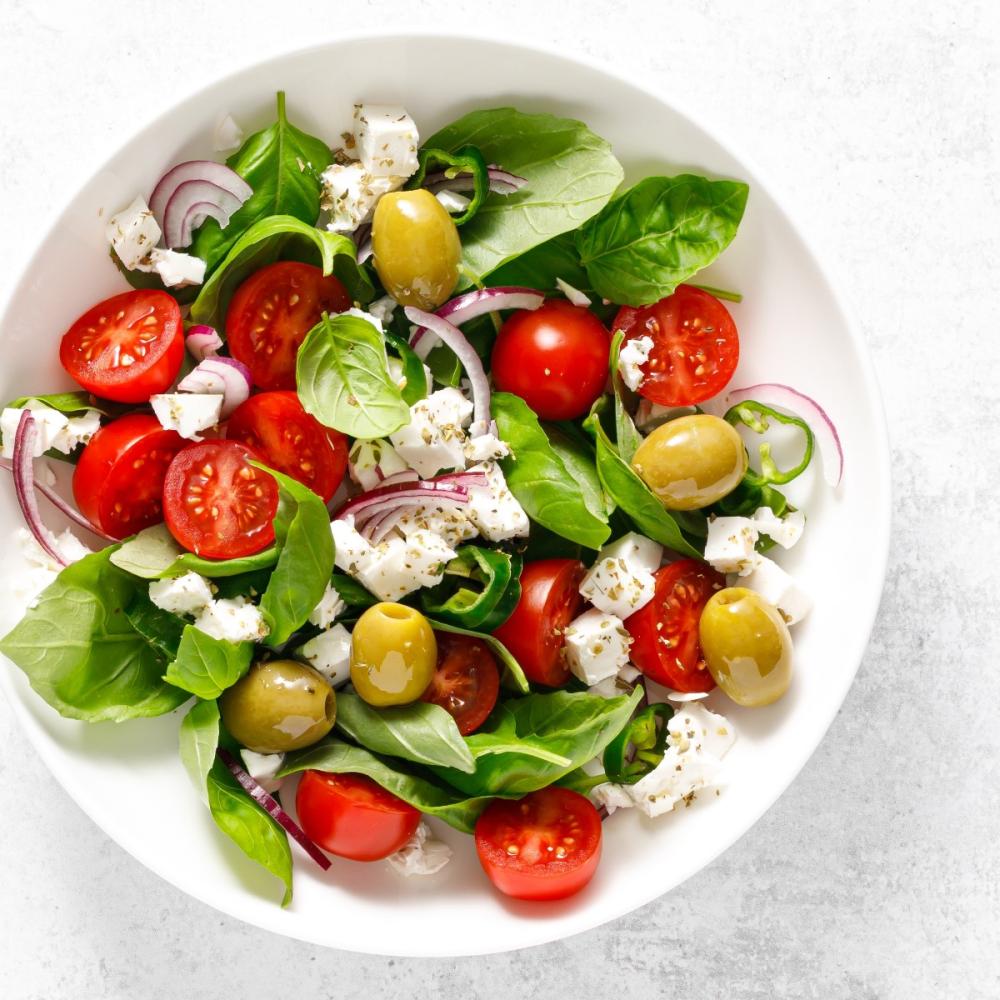
Quick answer: No food restores hearing that has been lost. But diet does affect the risk of hearing loss later in life. A study that followed more than 81,000 women for about 22 years found that a healthy eating pattern was linked to roughly 30% lower risk. The basics are vegetables, fruit, legumes, nuts, whole grains, fish and olive oil, with less salt and sugar.
Why does food affect hearing?
The inner ear depends on very fine blood vessels, and its hearing cells do not grow back once damaged. Anything that harms small blood vessels can harm hearing over time, such as high blood sugar and high blood pressure and smoking. The diet that protects the heart and arteries is also the one most likely to protect the ear.
What have studies found?
The strongest evidence comes from a study published in 2018 of 81,818 women followed from 1991 to 2013. Women who kept most closely to a Mediterranean-style diet or to the DASH diet, known from blood pressure care, had about 30% lower risk of hearing loss than those who followed them least.
This was an observational study. It shows a link and does not prove that diet is the direct cause. Still, it fits what we know about hearing and blood vessel health.
Which nutrients matter for the ear, and where are they found?
| Nutrient | General role | Best sources |
|---|---|---|
| Magnesium | Nerve and blood vessel function | Nuts, seeds, leafy greens, legumes, whole grains |
| Zinc | Immunity and enzymes | Meat, seafood, eggs, dairy |
| Vitamin B12 and folate | Nerve health and cell formation | Meat, eggs and dairy; leafy greens and legumes |
| Vitamin C | Antioxidant | Citrus fruit, peppers, kiwi, broccoli, strawberries |
| Omega-3 | Blood vessel health | Oily fish such as salmon and sardines |
Food sources are taken from the US National Institutes of Health fact sheets on magnesium, zinc and vitamin C.
What does a hearing-friendly day of eating look like?
- A handful of unsalted nuts every day.
- A leafy salad with olive oil.
- Legumes such as lentils and chickpeas several times a week.
- Fish twice a week.
- Fresh fruit in place of sweets.
- Whole grains in place of white bread and white rice at some meals.
What should you cut back on?
Excess salt, sugar, sweetened drinks and processed meat, because they raise the risk of high blood pressure and diabetes. The biggest factor is still outside the plate: protecting your ears from noise. According to the World Health Organization, more than one billion young adults are at risk of permanent, avoidable hearing loss from unsafe listening.
Do I need a supplement as well?
Food comes first. A supplement may have a place for people whose diet does not cover these nutrients, such as older adults and people on restricted diets. Erax is a German-made food supplement that provides magnesium, zinc, B vitamins and vitamin C with ginkgo biloba, taken as one tablet once or twice a day. It may support your intake of these nutrients as part of daily hearing care. It is not a medicine and does not treat hearing loss. For details, see supplements for hearing loss.
Frequently asked questions
Are there foods that strengthen the hearing nerve?
No food rebuilds the nerve. Foods rich in vitamin B12 and magnesium support nerve health in general.
Do honey or garlic improve hearing?
No human studies show that. They are a reasonable part of a varied diet and nothing more.
Can diet replace a hearing aid?
No. Diet is for prevention and support. A hearing aid compensates for loss that is already there.
When should I have my hearing tested?
Whenever your hearing changes, and regularly after 50 or if you have diabetes.
Read next
- Supplements for hearing loss
- Diabetes and hearing loss
- High blood pressure and hearing loss
- Magnesium for tinnitus
Reviewed by the HealthBridge medical team, November 2026. This article is for health education and does not replace medical advice. Food supplements are not medicines and are not intended to diagnose or treat any disease.