
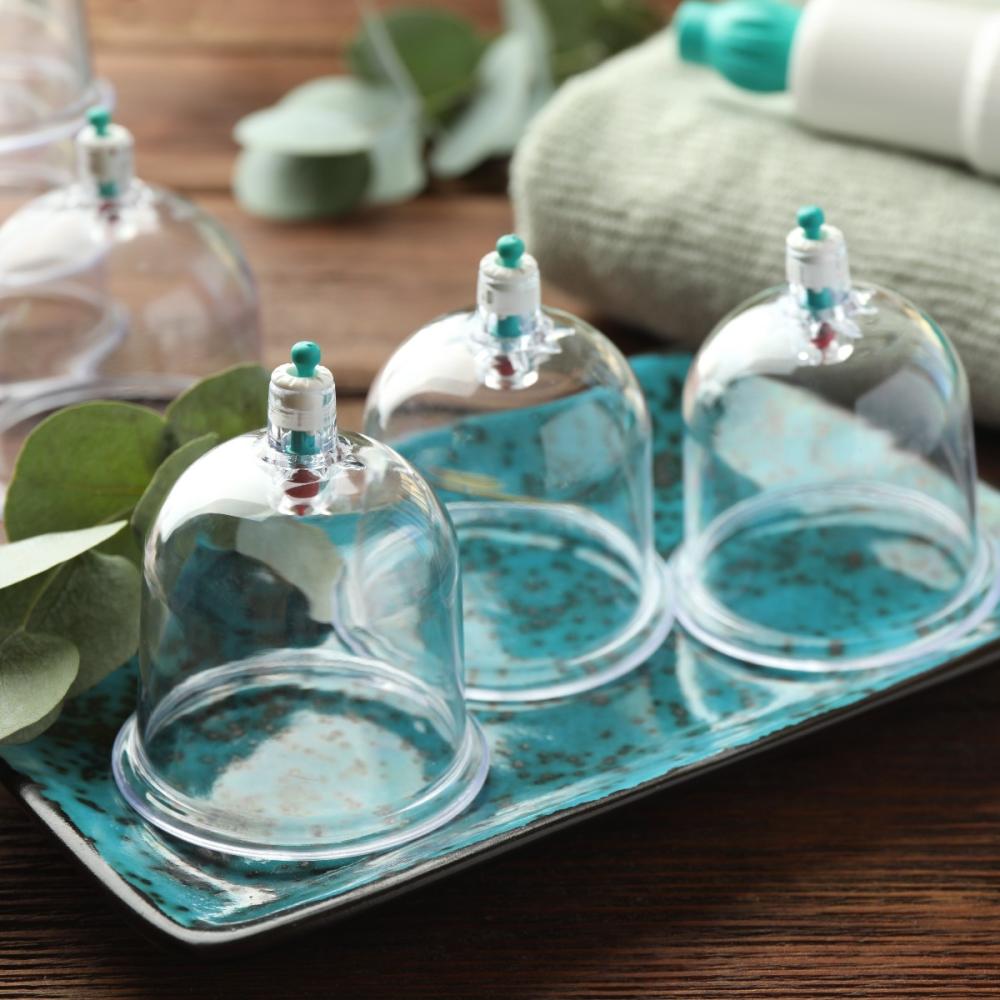
Quick answer: There is no evidence that cupping (hijama) improves sperm motility or treats male infertility. We searched PubMed and found no published human trial measuring its effect on semen analysis. If you choose it, use a licensed centre with single-use tools, and do not let it delay testing and treatment.
Are there studies on cupping and sperm?
We searched PubMed, the largest database of medical research, for cupping with infertility and semen, and found no human trial measuring sperm count or motility before and after cupping.
The US National Center for Complementary and Integrative Health describes most cupping research as low quality and says it may help some types of pain. It mentions no benefit for fertility.
Why does this matter when conception is delayed?
Because time is part of treatment. In a study of 427 men in Jeddah attending fertility clinics, 38.9% had used alternative medicine, and their sperm motility and progressive motility were lower.
That is an association; it does not prove alternative medicine caused the weakness. But months spent on unproven remedies can delay treatment that has evidence, especially as the wife's age rises.
What are the risks of cupping?
According to the same US centre:
- Skin effects: long-lasting skin discoloration, scars, burns and infections.
- Blood-borne infections can spread if equipment is not properly cleaned and sterilised.
- Rarely: bleeding inside the skull after cupping on the scalp, and anaemia from blood loss after repeated wet cupping.
How do you check that a hijama centre is licensed in Saudi Arabia?
The National Center for Complementary and Alternative Medicine regulates hijama with rules for practitioners and facilities. The Ministry of Health has announced that a hijama practitioner licence requires passing the centre's exam and being free of HIV, hepatitis B and C and tuberculosis.
| Before cupping | Why? |
|---|---|
| Ask about the facility and practitioner licence | A licence means the national centre's rules apply |
| Make sure cups and blades are single-use | Unsterile tools can transmit blood-borne infections |
| Tell the practitioner about your conditions and medicines, especially anaemia and blood thinners | Repeated wet cupping can cause anaemia |
| Do not use it instead of a semen analysis | There is no evidence it treats any cause of infertility |
What improves sperm motility with better evidence?
- Treating the cause: a palpable varicocele, infections and hormone problems are found on examination. Read progressive sperm motility.
- Quitting smoking: in a study of 60 men, progressive motility rose from 20.7% to 42.3% six months after quitting.
- Supplements with data: in a meta-analysis of antioxidant trials, carnitines were the only nutrients that improved progressive motility, by about 7.45%.
- Diet: read foods for sperm motility.
Where does Cargin Twin fit?
Cargin Twin is not a fertility treatment and does not replace testing. It is a German-made food supplement with glutathione, vitamin C, vitamin E, zinc, CoQ10, L-carnitine, acetyl-L-carnitine and L-arginine; L-carnitine and acetyl-L-carnitine belong to the carnitines linked with better progressive motility in that analysis. It is taken as two sachets a day, before and after a meal, and may support your intake of these nutrients alongside treating the cause and a healthy lifestyle.
Frequently asked questions
Is wet cupping riskier than dry cupping?
Wet cupping involves cuts and drawing blood, so repeated sessions have been linked with anaemia, and infection risk rises if tools are not sterile. Dry cupping has no cuts but can still leave skin discoloration and burns.
Where is cupping done for weak sperm?
No points have been shown to help fertility, because the evidence is missing altogether. Cupping on the scalp has been linked with rare cases of bleeding inside the skull.
Does cupping help with IVF or ICSI?
We found no studies on this. Tell your fertility team about any practice or supplement before treatment starts; they know the timing of your plan best.
When should I see a doctor instead of trying cupping?
According to the American Society for Reproductive Medicine: after a year of regular trying without pregnancy, after six months if the wife is 35 or older, and sooner if there is a known cause.
Read next
- Progressive sperm motility: what it means
- Herbs for sperm motility
- How to strengthen sperm: 7 steps
- Foods for sperm motility
Reviewed by the HealthBridge medical team, November 2026. This article is for health education and does not replace medical advice. Food supplements are not medicines and are not intended to diagnose or treat any disease.